ServicesRoof Inspections
Roof Inspections in Spout Springs
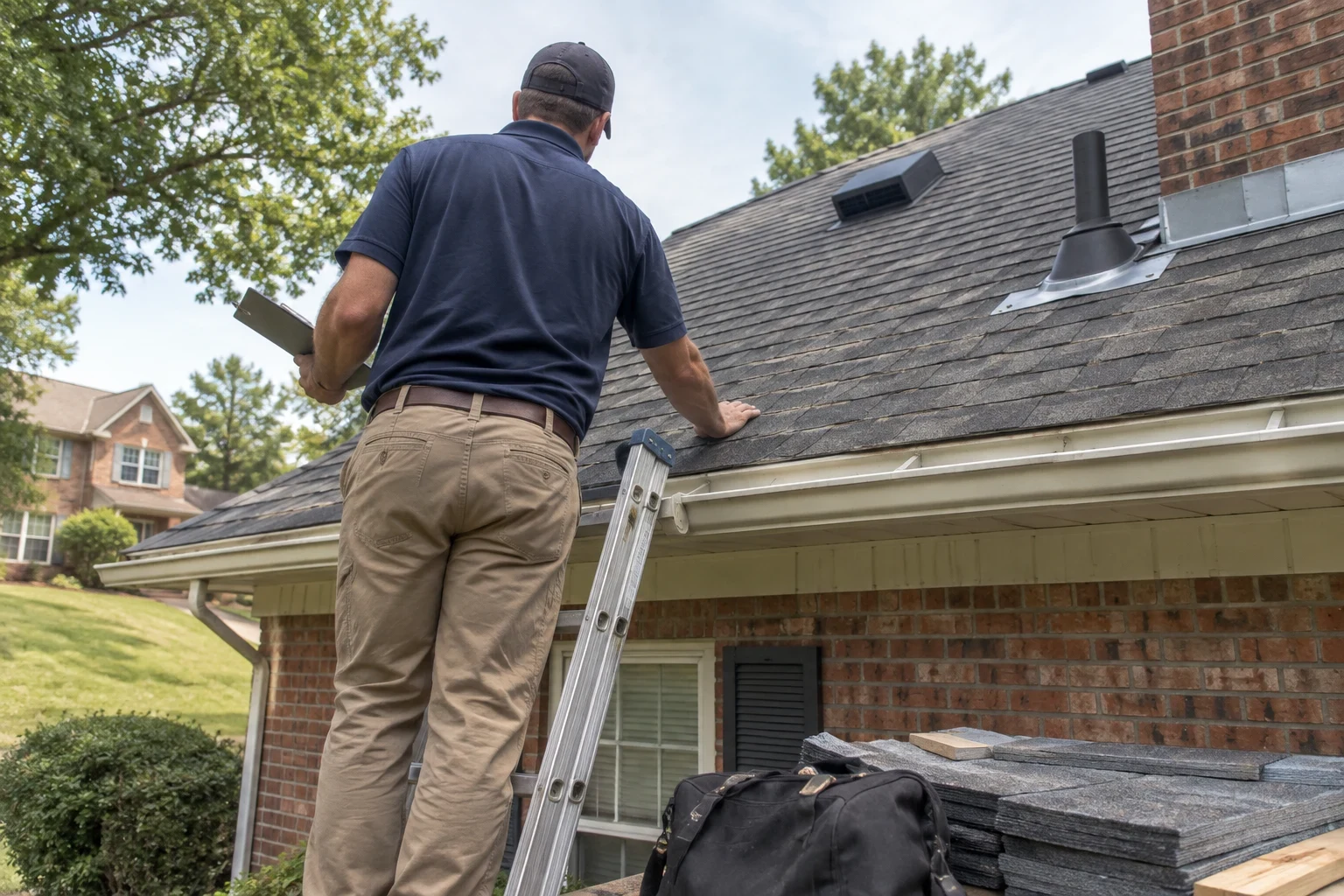
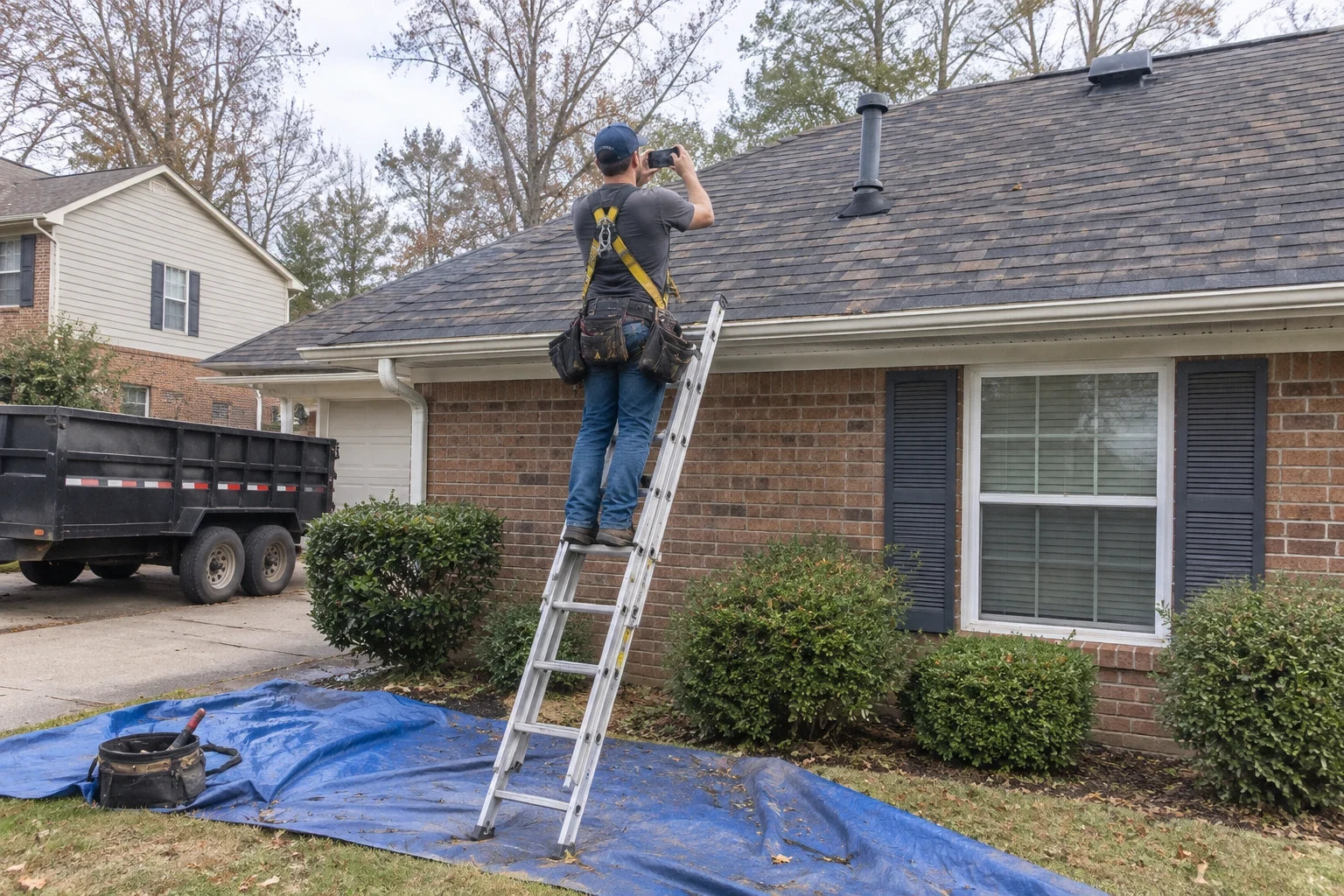
We climb up, look closely and photograph what we find, so you see your roof the way we do. You get a free inspection and a clear photo report, with an honest answer on whether anything needs repair now, can wait, or needs nothing at all.
Know what is happening on your roof
Roof problems usually start out small and out of sight. A loose shingle tab, a cracked rubber pipe boot or a piece of flashing that has lifted can let water creep in for months before a stain ever shows up inside. Catching these early keeps the fix quick and affordable.
Every inspection is free and includes a photo report. Each thing we flag has its own picture beside it, so the evidence is right there in front of you. If the roof is in good shape, we say exactly that and leave it at that.
Many people call us just after a strong thunderstorm or a tropical system moves through Spout Springs and the surrounding area. Others want a check before putting a house on the market, before cold weather sets in, or because the roof is simply getting older. Each of those is a good reason to have someone look.
What we check during an inspection
- Shingles and surface
- We look for shingles that are missing, creased or lifted, along with granule loss, hail bruises and blistering. Bare spots where the granules are gone tell us a lot about how much life the roof has left.
- Flashing and roof penetrations
- Chimneys, skylights, vents and plumbing pipes are where most leaks begin. We inspect the metal flashing around each one, check that the sealant is still holding and examine the rubber pipe boots, which often crack after years of summer heat.
- Valleys, ridges and edges
- Valleys carry more water than any other part of the roof, so we study them for wear and poor cuts. We also check the ridge caps, the drip edge and the starter row along the eaves.
- Gutters and drainage
- Clogged or sagging gutters can push water back under the shingles and into the fascia. We note loose hangers, standing water and overflow stains, and our Gutters page covers repairs if you need them.
- Attic and ventilation
- When we can get into the attic, we look for daylight through the boards, damp decking, water stains and poor airflow. Trapped heat and moisture wear out the decking and shingles from below long before their time.
Signs it is time for an inspection
A storm just passed through
Strong gusts and hail can loosen shingles or dent them in ways you would never spot from the yard. Getting a look soon afterward also helps if you end up filing an insurance claim.
Stains on a ceiling or wall
A brown ring or a spongy patch usually means water has been coming in for some time. The actual leak is often a few feet away from where the stain appears.
Shingle pieces or granules on the ground
Sandy grit piling up where the downspouts empty, or bits of shingle in the grass, point to wear or damage on the roof.
Your roof is 15 years or older
Long, hot, humid summers wear asphalt shingles down faster than most people expect. A check every year or two keeps surprises to a minimum.
You are buying or selling a house
A dated record of the roof's condition, photos included, lets buyer and seller both know where things stand before closing.
What shapes the cost of fixing what we find
You pay nothing for the inspection. The findings decide what happens next, and plenty of roofs need only a couple of small fixes or nothing at all. When work is called for, you get a written estimate with every item listed on its own line, so each charge is easy to follow.
How much damage there is
Swapping out one split pipe boot is quick work. Hail bruising spread over several slopes, or soft decking in more than one spot, is a far bigger job.
Roof size and steepness
A steep roof, or one broken up by dormers and valleys, needs more hours, more safety equipment and more material than a simple low-slope gable.
What sits under the shingles
Rotted decking and worn-out underlayment stay hidden until the shingles are pulled, and replacing them raises the total. Anything like that gets photographed so you see it for yourself.
Repair versus replacement
Patching a roof that is near the end of its life again can be money poorly spent. We give you a straight answer on which choice makes more sense, and if a new roof is the right move, financing is available through Acorn Finance.
What to expect on inspection day
- 1
Start with a phone call
Tell us what you noticed and which days work for you. We ask a few short questions so we know which part of the roof to check first.
- 2
A walk around the house
Before going up, we walk the outside of your home and look at the roofline, gutters, siding and any limbs hanging over the roof. Sagging lines and obvious damage often show from the ground.
- 3
Up on the roof with a camera
We work across the roof section by section and photograph anything worth noting. If it is safe and you are comfortable with it, we look in the attic too.
- 4
Reviewing your photo report together
We walk you through each picture, explain what it shows and sort the findings into what should be handled soon and what can wait. There is no pressure to book any work that day.
Roof inspection questions
Is the inspection really free?
Yes. Neither the inspection nor the photo report costs you anything. Whether you act on the findings, and when, is up to you.
How long does an inspection take?
On an average house, we are usually done in under an hour. Expect a little longer if the roof is big or steeply pitched, or if we also head up into the attic. We give you a rough time frame when we set up the visit.
Do I need to be home?
It helps if you are, because we can walk you through the photos face to face and check the attic. If you cannot be there, we can still inspect the roof from outside and talk through the report with you by phone afterward.
Can an inspection help with an insurance claim?
Dated photos taken shortly after a storm make a strong record when you file. If you choose to open a claim, we can meet the adjuster at your home and help you with each step of the process. The adjuster decides what is covered, but we point out everything we documented so nothing is overlooked.
What if you find nothing wrong?
Then we tell you so, plainly. You keep the photo report as a snapshot of the roof's condition on that date, which is useful after a later storm or when it is time to sell.
How often should I have my roof inspected?
Every year or two works well for most homes, plus a check after any severe storm. Older roofs deserve a look more often.

See your roof up close, without the climb
We do the inspection for free and send you home with a photo report you can actually understand. If repairs are needed, our Roof Repair and Storm Damage Repair pages explain what comes next.